
Tired After a Full Night's Sleep? Why It Happens

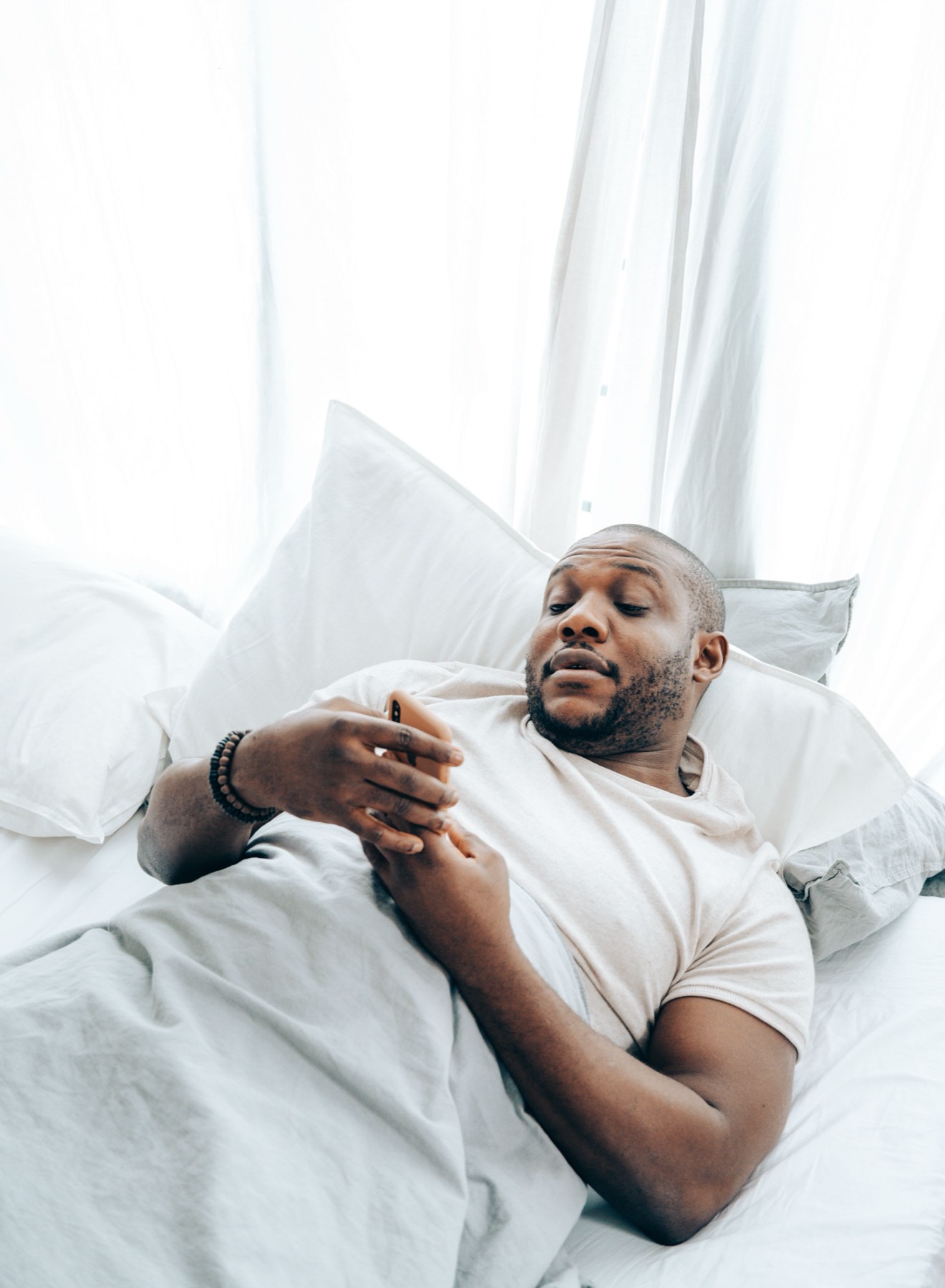
If you sleep eight hours and still wake tired, the problem may be quality, not quantity. Snoring and sleep apnoea can fragment your sleep with tiny arousals you never remember. These break up deep rest. An app cannot diagnose this, so see your GP if daytime tiredness persists.
Feeling tired after a full night’s sleep is a common and frustrating pattern. You went to bed early. You slept through. You still feel like you barely rested. The cause is often hiding in the hours you do not remember.
Why am I tired after a full night’s sleep?
Sleep is not just about time in bed. It is about getting through full, uninterrupted cycles of light, deep and dream sleep. If something keeps nudging your brain awake, even for a second or two, those cycles get chopped up.
This is called sleep fragmentation. Snoring and obstructive sleep apnoea are common culprits. When the airway narrows during sleep, the brain stirs just enough to reopen it, then drops back down. You never properly wake, so you have no memory of it. But the deep, restorative stages keep getting cut short. You can spend eight hours in bed and get the rest value of five.
The scale of this is bigger than most people think. An estimated 1.5 million UK adults have sleep apnoea, and up to roughly 85 percent of cases are undiagnosed. Daytime sleepiness is one of the main symptoms the NHS lists.
How do I know if my sleep is fragmented?
You cannot feel the arousals, but the daytime signs are telling. Clinicians use a short questionnaire called the Epworth Sleepiness Scale to screen for excessive daytime sleepiness. It asks how likely you are to doze off in everyday situations. A score over 10 out of 24 points to a problem worth raising.
Watch for these patterns:
| Sign | What it might suggest |
|---|---|
| Nodding off at your desk or in front of the TV | Daytime sleepiness, not just boredom |
| Morning headaches or a dry mouth | Disrupted, mouth-breathing sleep |
| A partner mentions loud snoring or breathing pauses | A possible airway issue worth checking |
| Tired despite seven to nine hours in bed | Quality, not quantity, may be the issue |
A high score is a prompt to talk to your GP, not a diagnosis. Only a sleep study can diagnose sleep apnoea. You can read more in our guide to the Epworth Sleepiness Scale and sleep apnoea symptoms.
What can I do to find the cause?
Start by gathering evidence. Since the disruptions happen while you sleep, you need something to listen overnight. Tracking your snoring for a week with an app like Kip shows how loud and frequent it is, and whether it lines up with your worst mornings. Kip records and scores everything on your iPhone, and the audio never leaves the device.
That data turns a vague “I’m always tired” into a clear picture you can bring to an appointment. If you want a head start, here is how to track snoring properly.
Sources
- NHS: Sleep apnoea
- Sleep Foundation: Epworth Sleepiness Scale
- Asthma and Lung UK: Obstructive sleep apnoea
FAQ
Can you be tired even after 8 hours of sleep?
Yes. Time in bed is only half the story. If your sleep is broken up by frequent micro-arousals from snoring or an airway issue, you miss out on deep, restorative stages. You can sleep a full night and still wake unrefreshed.
Is feeling tired all the time a sign of sleep apnoea?
Persistent daytime tiredness is one of the main symptoms the NHS links to sleep apnoea, especially alongside loud snoring or breathing pauses. It is not proof on its own. An app cannot diagnose it, so book a GP appointment if the tiredness does not lift.
How can I tell if snoring is ruining my sleep?
You usually cannot feel it happening, so the daytime clues matter most: heavy sleepiness, morning headaches, and a partner noticing loud snoring. Recording your nights builds a picture over time, which you can take to your GP to discuss.